
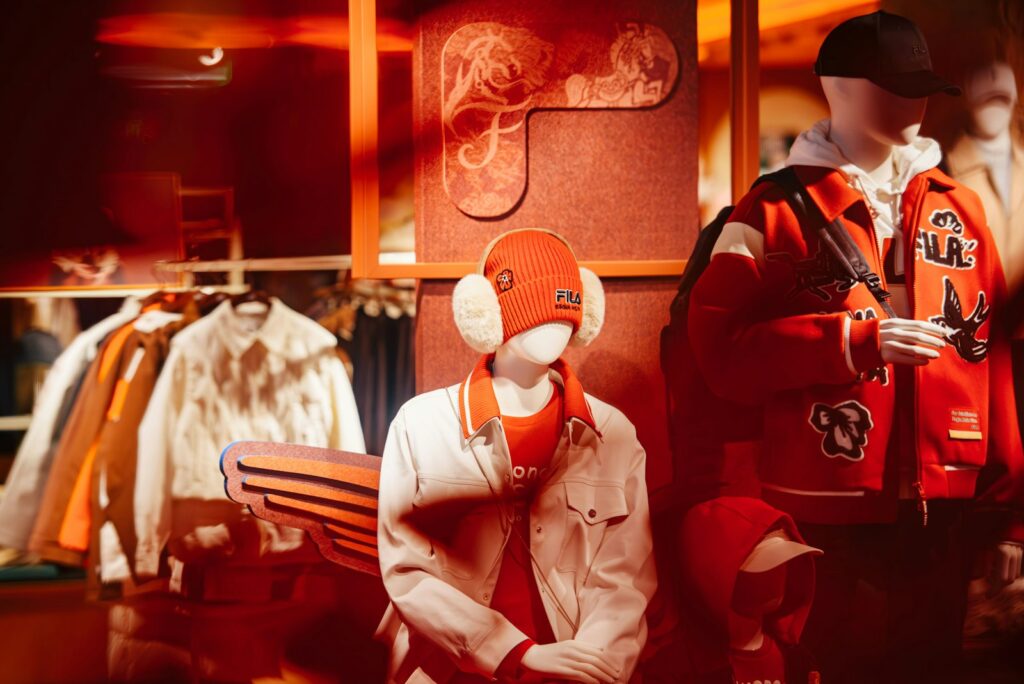
A patch can be the most recognisable thing about a clothing brand. Sewn onto a jacket, a cap or the front of a hoodie, it carries your logo in a way that a printed graphic does not: it has texture, it feels considered, and it signals that the garment was made with some care. For small labels and streetwear brands, patches are also one of the easiest ways to add a premium detail to blank garments.
This guide covers how clothing brands use custom patches, which patch types suit which products, and how to plan a first order.
How clothing brands use patches
- Branding on core products. A small logo patch on the chest of a tee, the front of a cap or the sleeve of a jacket.
- Feature pieces. A large back patch or chenille letter that becomes the main design of a garment.
- Limited drops. A special patch made for one collection, collaboration or event, which makes the run collectable.
- Standalone merchandise. Patches sold on their own, so customers can add your brand to their own clothing and bags.
- Packaging extras. A small patch included with orders as a thank-you that keeps the brand visible after the box is opened.
If you are building a wider business case for patches, our guide to embroidered patches for small business looks at branding and marketing uses beyond clothing.
Matching the patch type to the product
Each patch type gives a different look. Choosing the right one is mostly about the garment and the feel of the brand.
| Patch type | Look and feel | Suits |
|---|---|---|
| Embroidered | Raised, textured, classic | Caps, jackets, hoodies, workwear-inspired brands |
| Woven | Flat, fine detail, smooth | Tees, detailed logos, small text, minimalist labels |
| Chenille | Thick, fuzzy, varsity | Letterman jackets, sweatshirts, retro collections |
| Leather | Debossed, premium, natural | Caps, denim, outerwear, heritage brands |
| Silicone | Soft, rubbery, modern | Sportswear, outerwear, technical garments |
| Sublimated | Printed, full colour, smooth | Photographic or gradient artwork |
Explore each type on its own page: woven patches, chenille patches, leather patches, silicone patches and sublimated patches.
Embroidered or woven for a logo patch?
This is the most common decision for a clothing brand. Embroidered patches have depth and a handmade character that works well on heavier garments and caps. Woven patches are thinner, hold much finer detail and sit flatter on lightweight fabrics. If your logo has small lettering or thin lines, woven usually reproduces it more faithfully. Our full comparison of embroidered vs woven patches goes through the differences in detail.
Patches, labels and direct embroidery
Brands often weigh patches against two alternatives.
- Woven labels are sewn into seams or necklines and carry the brand name inside the garment. Patches are the visible, outside equivalent. Many brands use both.
- Direct embroidery stitches the logo straight onto the garment. It suits large runs of one product, while patches let you make one batch of branding and apply it across several garment styles. Our comparison of patches vs direct embroidery explains when each one wins.
Price your first brand patch run
Upload your logo on our custom patch quote form with the garments you plan to use it on. If you are unsure between two types, mention both and we will advise. Design assistance is free.
Designing a patch for clothing
- Design for the placement. A chest logo, a cap front and a back piece are different sizes, and a design that works large may lose detail small. Check our custom patch size guide.
- Simplify the logo. Remove fine detail and small text that will not survive at patch size. See how to prepare your logo for custom patches.
- Use the shape as part of the design. A custom shape that follows your logo can look more like a graphic than a badge.
- Choose the edge deliberately. A merrowed border looks traditional and sporty. A laser-cut edge looks cleaner and more contemporary. Compare them in merrowed vs laser-cut borders.
- Match your brand colours. Give Pantone or thread references. Our free logo to thread colors tool can help identify close thread matches.
Choosing the backing
For garments you sell, the patch should be sewn on. Customers will wash the garment many times, and stitching is the most reliable way to keep the patch secure. Iron-on backing is still useful for standalone patches sold as accessories, because customers can apply them at home, though stitching around the edge will make them last longer. Hook and loop backing is popular for brands that sell swappable patches for jackets, bags and caps with loop panels. Read more in types of patch backings and how to attach them.
Planning quantities and margins
Unit cost falls as quantity rises, so many brands order one patch design in a volume that covers several garment styles and future restocks, rather than small batches per product. Size, number of colours, coverage and patch type all affect the price as well. Our guide to what affects the cost of custom patches explains each factor so you can plan the patch into your product costs.
Build lead time into your release schedule. Standard turnaround is 20 to 30 days and express is 10 to 14 days, plus the time your garments need for patch application.
Using one patch across a collection
A single patch design can carry a whole collection if you plan for it. The same logo patch can go on the chest of a tee, the side of a beanie, the front of a cap and the back pocket of a pair of jeans. Ordering one design in a larger quantity is usually more economical than several small runs, and it gives the collection a consistent signature.
When one patch has to suit several garments, check it against each one before ordering:
- Colour contrast. A patch that stands out on a white tee may disappear on a black hoodie. A contrasting border can make one patch work on both light and dark garments.
- Thickness. A thick embroidered patch suits a heavyweight hoodie but can pull on a light tee. Woven is the safer choice if the same patch goes on thin fabric.
- Curvature. Caps and beanies are curved. A smaller or more flexible patch sits better than a large stiff one.
Check quality before a full launch
Before you commit stock to a release, review the proof closely. Check the dimensions, compare colours against your brand references, and look at the smallest text and lines. If a detail looks cramped on the proof, it will look cramped on the garment. For a new brand, getting the first patch right matters more than getting it fast, because it sets the standard customers will expect from every drop that follows.
A first-order checklist
- Garments and placements listed.
- Patch type chosen for each product.
- Logo simplified and supplied as a vector or high-resolution file.
- Size checked on a real garment.
- Edge, backing and colours decided.
- Quantity covers the first run and some restock.
For every step from quote to proof approval, read how to order custom patches.
Frequently asked questions
What type of patch is best for a clothing brand?
It depends on the product and the look. Embroidered suits caps and heavier garments, woven suits detailed logos and lighter fabrics, and leather and chenille suit heritage and varsity styles.
Should I use iron-on patches on garments I sell?
Patches on finished garments should be sewn on so they survive repeated washing. Iron-on is better suited to patches sold separately as accessories.
Can I order patches for several products at once?
Yes. One design can be used across several garment styles, and you can include different patch designs in the same quote request.
Can you match my brand colours?
Send Pantone or thread references and we will match them as closely as the available thread or material allows, and show the result on the proof.