
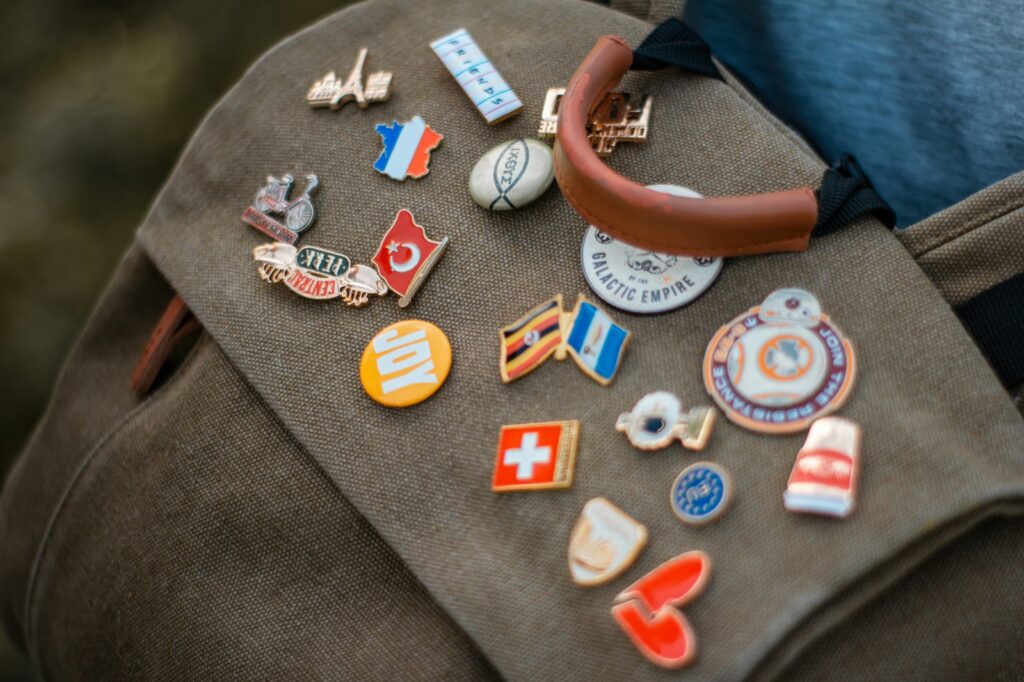
Patches are part of scouting life. Scouts collect them at camps and events, trade them with other groups, and wear them to show what they have taken part in. Alongside the official badges issued by scouting organisations, many troops, packs, districts and event organisers create their own custom scout patches to mark camps, jamborees, fundraisers, anniversaries and group identity.
This guide covers what custom scout patches are used for, how to design one that young people will want to keep, and how to order the right quantity at a sensible cost.
Official badges and custom patches
It helps to be clear about the difference first.
- Official badges such as rank, award and membership badges are set by your scouting organisation and usually come through its own supply channels. Their designs, sizes and positions are defined in the organisation’s uniform rules.
- Custom patches are designed by a troop, group, district or event team. They commemorate something or identify a group, and they are usually worn in places your organisation allows for temporary or unofficial patches, or on camp blankets, bags and jackets.
Rules on where custom patches can go differ between organisations and countries, so check your uniform or insignia guide before deciding the size and shape. Many organisations allow one temporary patch on the uniform and leave everything else to blankets, sashes and jackets.
What troops and groups make patches for
- Camps and camporees: a patch for every participant, often with the event name, location and year.
- Jamborees and large gatherings: group patches made for trading with scouts from other places.
- Group identity: a troop or pack patch with its number, name, mascot or local landmark.
- Anniversaries: milestone years for a long-running group.
- Fundraising: patches sold to families and supporters to raise money for trips and equipment.
- Service projects and challenges: recognition for taking part in a community project, hike or activity.
Choosing the patch type
Embroidered patches
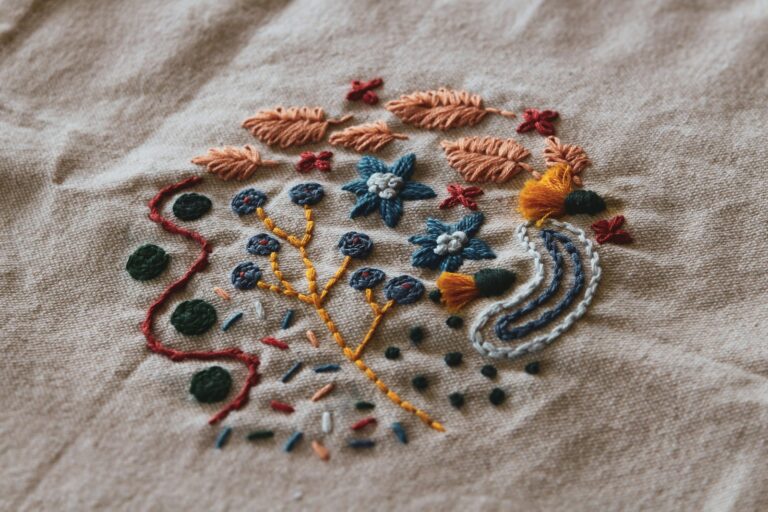
Embroidered patches are the traditional scout patch, and the type most scouts expect to collect. They are durable, have a textured feel and suit bold artwork with short text. See our custom embroidered patches.
Woven patches
If the design includes a detailed map, a small group name or fine lines, woven patches keep the detail clearer and the patch thinner.
PVC patches
For outdoor-focused groups, PVC patches are waterproof and work well on bags and outdoor gear.
Pins and other items
Pin trading is popular at large scouting events, and some groups make a pin alongside or instead of a patch. See our custom pins, or custom keychains for fundraising items.
Controlling the cost
Scout groups usually work to a tight budget, often funded by families or fundraising. A few choices make a real difference to the price without hurting the result:
- Coverage. A patch with part of the background left as twill fabric uses less thread than a fully stitched one. Many event patches use 50 or 75 percent coverage. Our embroidery coverage guide shows the difference.
- Size. A slightly smaller patch can lower the unit price, especially across a large run.
- Colours. Fewer thread colours keep the design simpler and the cost down.
- Quantity. Unit price falls as quantity rises, so combining orders across a district or ordering spares in the same run often works out cheaper than reordering later.
Each of these is explained in more detail in what affects the cost of custom patches.
Request a quote for your scout patches
Send your design or idea through our custom patch quote form with the number of scouts and leaders, the event date and any size rules from your organisation. Design assistance is free, so a rough sketch from a scout is a perfectly good starting point.
Designing a patch scouts will want to keep
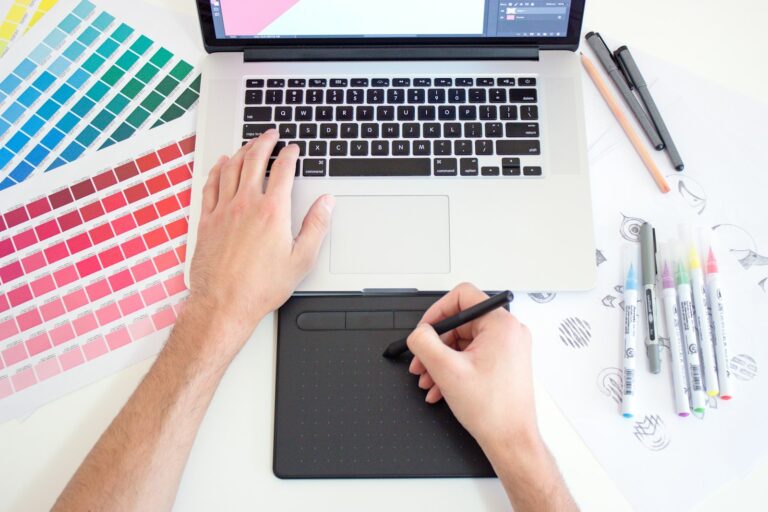
- Involve the scouts. A design competition gives young people ownership of the patch. A leader or our design team can turn the winning idea into artwork that works as a patch.
- Keep it bold and simple. A clear central image, such as a mascot, landmark or tent, reads better than a busy scene.
- Limit the text. Event name and year are usually enough. Long names and small text fill in at patch size. See how to prepare your logo for custom patches for practical rules on lettering.
- Use the shape. A custom shape, such as an outline of a mountain or an animal, makes a patch stand out in a collection and on a trading table.
- Make a set. Some events use a main patch plus small “segment” patches for individual activities, which scouts collect around the main one.
Border and backing
A merrowed border is the classic choice for round and simple-shaped scout patches. It is strong, neat and resists fraying. Custom shapes with points or curves usually need a laser-cut or hot-cut edge. Our guide to merrowed vs laser-cut borders explains both.
For backing, sew-on is the most durable for uniforms and camp blankets. Iron-on backing is convenient for families attaching patches at home, but on uniforms that are washed often it works best as a way to hold the patch in place before stitching. Our guide to patch backings and how to attach them covers each option.
Size
Check your organisation’s rules first if the patch is meant for the uniform, as some limit the size of temporary patches. For camp blankets and jackets there is more freedom, but a patch that is too large becomes harder to arrange alongside others. Our custom patch size guide gives typical dimensions for different placements.
Handing out and trading patches
How a patch is handed out is part of what makes it meaningful. Many groups present event patches at a closing campfire or ceremony, so each scout receives theirs in front of the group. Others hand them out at check-in so scouts can trade them during the event.
If your scouts will be trading at a jamboree or large camp, a few things help:
- Order extras for trading. Give each scout a patch to keep plus a few spares to trade, and agree the number in advance.
- Make it recognisable. A strong design with your group or location name is easier to trade, because other scouts know where it came from.
- Keep a few back. Save some patches for the group’s own records, for scouts who missed the event, and for leaders.
Patches also make good thank-you gifts for volunteers, parents, hosts and sponsors who helped the event happen.
Timing your order
Event patches have fixed dates, so work back from the day you need them in hand. Allow time to collect the design, agree it within your group, review the proof and ship. Standard turnaround is 20 to 30 days and express is 10 to 14 days. Approve the proof carefully, especially spellings, dates and group numbers, because changes after production starts are not possible.
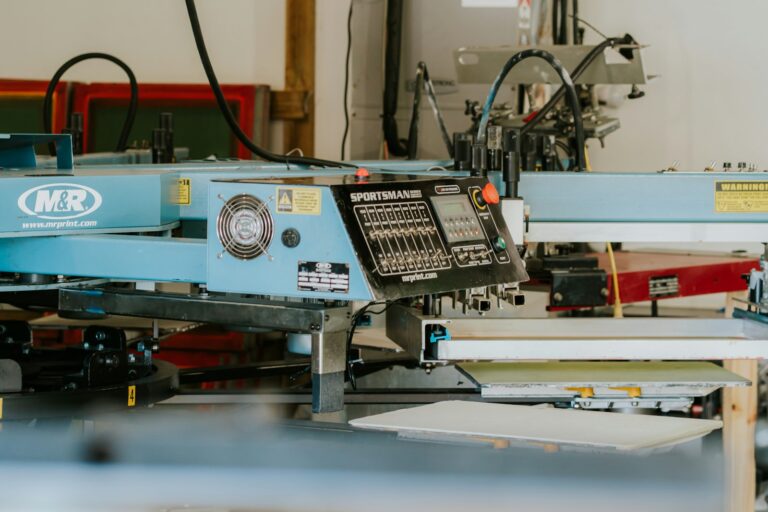
For the full process, read how to order custom patches, and for an inside look at production, see how custom patches are made.
Frequently asked questions
Can we make our own scout troop patch?
Yes. Troops and groups commonly make custom patches for events and group identity. Check your organisation’s rules on where unofficial patches can be worn on the uniform.
What is the best patch type for scouts?
Embroidered patches are the traditional choice. Woven patches suit detailed designs, and PVC suits outdoor gear.
How can we keep the cost down?
Use partial coverage, a moderate size and fewer colours, and order the full quantity including spares in one run.
Can a scout’s drawing be turned into a patch?
Yes. Send the drawing with a short description and our design team will prepare patch-ready artwork for you to approve.